

Kyphoplasty for Advanced Spinal Pain Relief

Kyphoplasty is a highly effective treatment option for patients suffering from vertebral compression fractures, particularly those caused by osteoporosis. It offers rapid pain relief, improves mobility, and helps restore vertebral height with minimal risk. If you or someone you know is experiencing persistent pain from a vertebral fracture, kyphoplasty may be worth considering as part of a comprehensive pain management strategy. Consult with your pain specialist at Pain Treatment MD to determine if kyphoplasty is the right option for your specific condition. Book an appointment now to see how Kyphoplasty can help manage your spinal pain effectively.

What is Kyphoplasty?

what is kyphoplasty

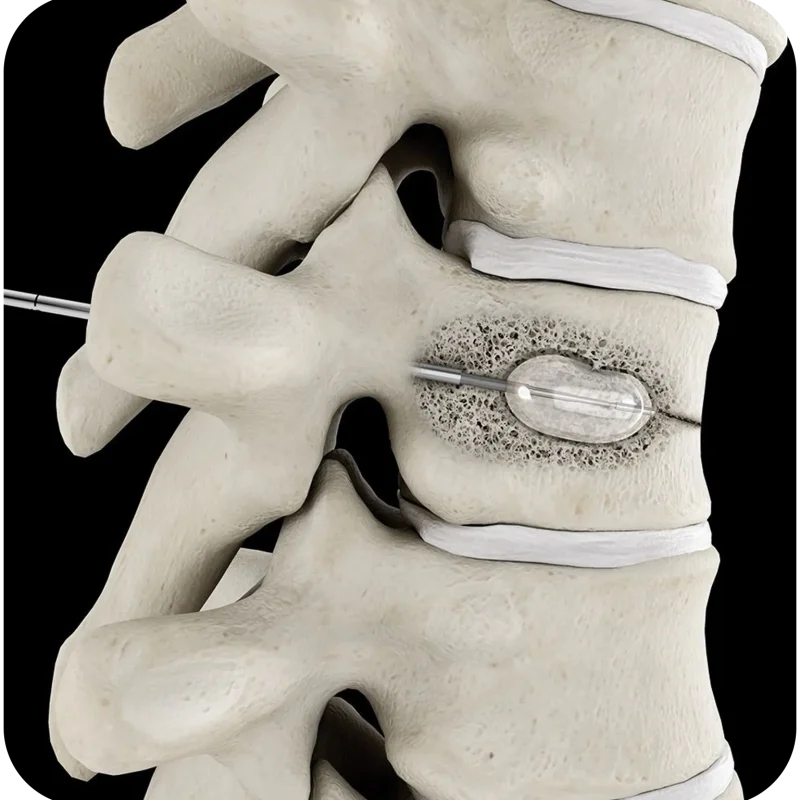
Kyphoplasty is a minimally invasive surgical procedure designed to treat vertebral compression fractures, often caused by conditions like osteoporosis. The procedure aims to relieve pain and restore vertebral height by using a balloon to inflate the fractured vertebra and then injecting a special medical-grade cement to stabilize it. This technique not only alleviates pain but also helps to restore spinal alignment and improve mobility. Kyphoplasty is typically performed on an outpatient basis, so patients can often return home the same day. By directly addressing the source of the pain and supporting the fractured vertebra, Kyphoplasty offers significant relief for those suffering from debilitating spinal fractures.

what is kyphoplasty

When you May Need Kyphoplasty

Kyphoplasty presents an advanced option for those enduring severe spinal pain due to vertebral compression fractures. As a cutting-edge procedure, Kyphoplasty is tailored to offer significant relief and restore function. Kyphoplasty is typically indicated for patients who have:

How Kyphoplasty Works

The procedure involves the insertion of a balloon into the fractured vertebra, followed by the injection of bone cement to stabilize the fracture. Here's how it typically works:

Preparation

1. The patient is usually placed under local anesthesia with sedation or general anesthesia, depending on the case and patient preference.

2. The patient is positioned face-down on the operating table.

Balloon Insertion

A small incision is made in the back, and a narrow tube (trocar) is inserted through the incision and guided into the fractured vertebra under fluoroscopic (X-ray) guidance.Through this tube, a special balloon (balloon tamp) is inserted into the vertebral body.The balloon is carefully inflated, which elevates the fractured vertebra and restores some of its original height. This creates a cavity within the vertebra.

Cement Injection

Once the desired height is achieved, the balloon is deflated and removed, leaving a space inside the vertebra.

Bone cement, typically polymethylmethacrylate (PMMA), is then injected into the cavity created by the balloon. The cement hardens quickly, stabilizing the fracture and providing structural support to the vertebra.

Completion

The instruments are removed, and the small incision is closed with sutures or adhesive strips.
The entire procedure usually takes about 1-2 hours, depending on the number of vertebrae treated.

preparation

Preparation

The patient is usually placed under local anesthesia with sedation or general anesthesia, depending on the case and patient preference.
The patient is positioned face-down on the operating table.

Balloon Insertion

Balloon Insertion


A small incision is made in the back, and a narrow tube (trocar) is inserted through the incision and guided into the fractured vertebra under fluoroscopic (X-ray) guidance.
Through this tube, a special balloon (balloon tamp) is inserted into the vertebral body.
The balloon is carefully inflated, which elevates the fractured vertebra and restores some of its original height. This creates a cavity within the vertebra.

cement injection

Cement Injection

Once the desired height is achieved, the balloon is deflated and removed, leaving a space inside the vertebra.
Bone cement, typically polymethylmethacrylate (PMMA), is then injected into the cavity created by the balloon. The cement hardens quickly, stabilizing the fracture and providing structural support to the vertebra.

completion

Completion

The instruments are removed, and the small incision is closed with sutures or adhesive strips. The entire procedure usually takes less than 1 hour, depending on the number of vertebrae treated.


Benefits of Kyphoplasty

benefits of kyphoplasty

Frequently Asked Questions

Most patients experience immediate relief once the cement is inserted into the fractured vertebral body.

After the procedure, you may experience some soreness or mild discomfort at the injection site. This is generally manageable with over-the-counter pain relievers. You’ll be monitored for a short period to ensure there are no immediate complications before you can go home.

This procedure has no downtime, and patients can resume their normal activities immediately after. We recommend restricting any strenuous activity for 4-6 weeks.

Most insurances would cover this procedure for appropriate indication.

Keep the area clean and dry. Follow any specific instructions given by our pain doctors regarding wound care. If you notice any signs of infection, such as increased redness, swelling, or discharge, seek medical advice.

Most patients can resume driving within a few days if they feel comfortable and are no longer taking narcotic pain medications that could impair their ability to drive.

Personalized Pain Relief Plans

We make customized treatment plans according to your individual needs to target what works best for you.

Holistic Pain Management

We believe in holistic pain management, incorporating medicine, lifestyle changes and advanced treatments to manage pain.

Pain-Free Life

Our goal is to listen and understand your pain and achieve your health goals for you to regain control over your life.