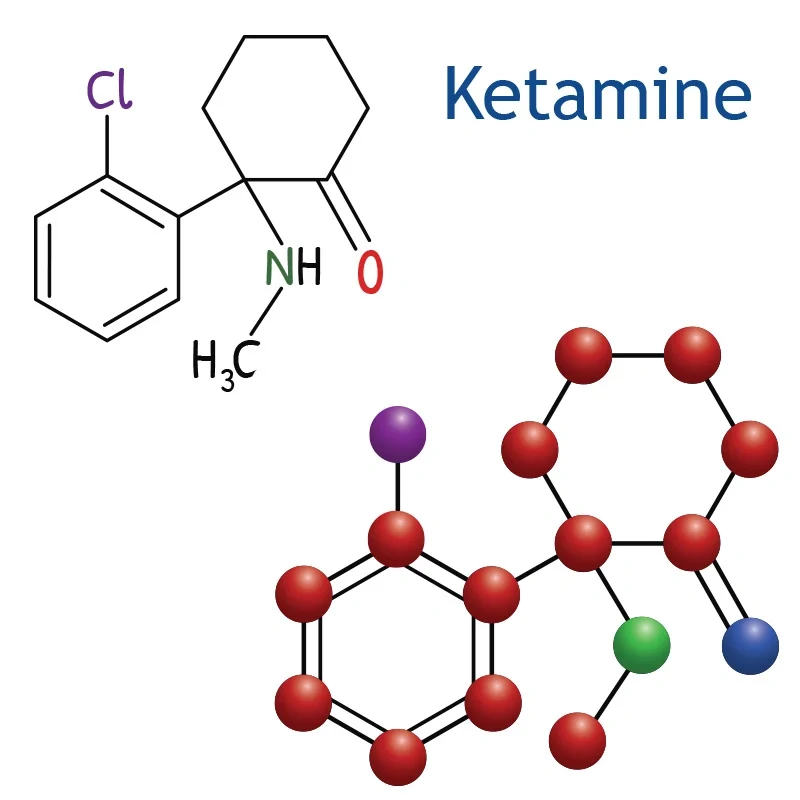
Ketamine is an anesthetic drug which is approved by Food and Drug Administration (FDA). For many years, Ketamine has been used safely in operating rooms and Emergency departments. When given at lower and control doses than those used for anesthesia, Ketamine can:
In pain management, ketamine is typically used “off-label” (a medically accepted practice when supported by clinical judgment and available evidence) to help treat certain types of chronic, severe, or neuropathic pain.
Ketamine is an anesthetic drug which is approved by Food and Drug Administration (FDA). For many years, Ketamine has been used safely in operating rooms and Emergency departments. When given at lower and control doses than those used for anesthesia, Ketamine can:
In pain management, ketamine is typically used “off-label” (a medically accepted practice when supported by clinical judgment and available evidence) to help treat certain types of chronic, severe, or neuropathic pain.
Ketamine infusions are not a first-line therapy. They’re generally considered for those patients who’ve gone through traditional treatments like medications, Physical therapy, injections, or even surgery, but still struggle with persistent pain.
Conditions where ketamine infusions may be considered include:
In addition, ketamine has been studied for treatment-resistant depression, as Ketamine plays a significant role in managing pain. Hence, at Pain Treatment MD, we offer this as an option for chronic pain. But in case mood or depression is a significant factor, we may collaborate with your mental health provider to coordinate care.
You may be a candidate for ketamine infusions if:
A thorough evaluation is required before ketamine can be recommended. This includes medical history, medication review, physical exam, and often input from your other providers.
Ketamine treatment works like a day-care procedure. You visit the clinic for your infusion, relax under supervision, and head home the very same day. In our clinic, the treatment is offered in a comfortable setting with proper monitoring.
In the initial step, we take a complete history to review your past treatments, imaging results, and overall health. We also discuss the potential benefits, limitations, and risks of ketamine infusion therapy. This step helps determine whether ketamine is the right option for you or if other treatments might be more suitable.
Before your infusion therapy, you might be asked to avoid certain foods or drinks for a short period, depending on your plan. We'll review your current medications and may adjust some in coordination with your prescribing doctors. We'll also take baseline vital signs, including blood pressure, heart rate, and oxygen levels, to ensure your safety.
A small IV line is placed, usually in your hand or arm. Ketamine is administered via controlled intravenous infusion over a set period of time (for example, 40–60 minutes for many protocols; the exact schedule is individualized). Dosing is carefully calculated based on your weight, medical conditions, and response.
Throughout the infusion, your vital signs and comfort are monitored. You are typically in a reclined or semi-reclined position in a quiet environment. It is common to experience mild, temporary side effects such as a "floating" sensation, changes in perception, or feeling detached or dreamy. We closely monitor you and can adjust the infusion if needed.
Once ketamine infusion therapy is done, we monitor you in the clinic for a period of observation until you are stable, oriented, and your vital signs are in normal range, as ketamine can temporarily affect alertness and coordination, so you will need a responsible adult to drive you home. We recommend that you not drive, operate heavy machinery, or make important decisions for the rest of the day. While leaving the clinic, you will receive written post-infusion instructions and a follow-up plan.
During or shortly after the infusion, some patients report a temporary reduction in pain or a change in how their pain feels. Some patients may feel tired, “foggy,” or emotionally sensitive after the infusion; these effects usually resolve over hours.
You may feel fatigued or mildly off-balance; rest is recommended. Avoid driving, alcohol, and sedative medications unless specifically cleared. Mild nausea or headache can occur in some patients and is usually manageable with supportive care.
Ketamine’s effects on pain can vary. Some patients experience meaningful improvement in pain intensity and function for days to weeks after a series of infusions. Others may notice only a temporary benefit or little change. In many protocols, ketamine is given as a series of infusions over a set period, followed by “booster” infusions only if benefit is demonstrated and maintained.
For smooth recovery, your healthcare provider may ask you to avoid strenuous activities for at least one to two weeks. We also generally recommend staying away from anti-inflammatory medications like ibuprofen or naproxen before and after your PRP session, as they can interfere with the healing process. If you need relief, ice or acetaminophen (Tylenol) can be prescribed.
PRP works by promoting healing, so it doesn’t offer instant numbing like steroid or anesthetic injections. Most patients start noticing improvement within 4–6 weeks, with continued progress over the next 3–6 months as the tissue repairs and strengthens. Some conditions may need more than one treatment, typically 1–3 PRP sessions spaced a few weeks apart, depending on how severe the issue is and how your body responds.
When carefully used in appropriate patients, ketamine infusions may:
It is important to emphasize that results vary, and no outcome can be guaranteed. Ketamine is one tool within a comprehensive pain management program, not a stand-alone cure.
Ketamine infusions are generally well-tolerated when performed in a monitored medical setting. As all medical treatments carry some risks. Potential side effects and risks include:
Common or Short-Term
Changes in perception or sensation (feeling “floaty,” detached, or dreamy), Drowsiness or fatigue, Nausea or vomiting, Dizziness or imbalance, Temporary rise in blood pressure or heart rate, Mild anxiety or restlessness
Less Common or More Serious
More intense dissociative or hallucinatory experiences,
Significant elevation in blood pressure or heart rate, Allergic reaction (rare),
Breathing changes in susceptible individuals – Worsening mood or emergence reactions in some patients
Long-Term Considerations
Ketamine has potential for misuse when used inappropriately. At Pain Treatment MD, Ketamine is administered only in a controlled and monitored medical setting. We never prescribe take-home ketamine for unsupervised use for pain. When administered repeatedly in high doses, Ketamine can cause bladder and urinary tract problems. That’s why our team follows proper medical protocols while administering Ketamine. We use lower, controlled dosing with monitoring to minimize risk. We will review your personal risk factors in detail and answer all of your questions before proceeding.
Protocols vary, but often include:
An initial “series” of infusions over days or weeks to assess response. Reassessment after the series to determine whether ketamine provided a meaningful benefit. If helpful, periodic booster infusions may be considered, always weighed against risks, cost, and other available treatments.
Your plan will be individualized based on your condition, response, and overall treatment goals.
Our team will give you specific instructions, which may include:
Fasting guidelines (when to stop eating and drinking before the infusion, if applicable). Medication adjustments prior to the procedure (only with coordination from your prescribing doctors). Avoiding alcohol and recreational drugs before and after the
Infusion. Arranging for a responsible adult to accompany you and drive you home.
Always inform us if you have a history of heart disease, uncontrolled high blood pressure,
Stroke, glaucoma, psychiatric conditions, substance use disorder, or if you are pregnant or nursing.
At Pain Treatment MD, we view ketamine as one component of a broader, individualized pain management plan that may also include:
Medications (as appropriate and evidence-based) – Interventional procedures (injections, nerve blocks, neuromodulation, etc.) – Physical therapy and therapeutic exercise –
Lifestyle modifications and weight management when appropriate – Behavioral and psychological support for coping with chronic pain
Our goal is not only to reduce pain but also to improve function, independence, and quality of life.
Most patients feel just a quick pinch when we draw their blood and a bit of pressure during the injection. Local anesthetics are being used to minimize discomfort. You may experience mild soreness afterwards, which you will manage easily.
For PRP, Insurance coverage can vary and is often limited. But you don’t need to worry about it. Our team is here to help you understand the costs and go over any insurance or self-pay options before your PRP appointment.
Plan for about 60–90 minutes. This time period includes check-in, blood draw, PRP preparation, the injection itself, and a short observation period afterward.
Initial improvement is seen within a few weeks after PRP. But the full benefits of PRP usually develop gradually over a few months as your tissue heals.
Yes, it can! PRP often works even better when paired with treatments like physical therapy, exercise, weight management, and other pain-relief approaches.
PRP promotes long-term tissue repair by natural healing. In contrast, steroid injections provide prompt but short-term relief. Steroids don’t repair tissue and can’t be repeated frequently. PRP may be used when steroids are no longer effective or to limit steroid use.
This depends upon the symptoms and severity of your condition. Your overall health assessment also plays an important role in deciding the number of PRP sessions. Some patients feel good just with one injection, while others may require 2- 3 sessions spaced a few weeks apart. At our clinic, Dr. Jain creates a personalized plan based on your response to the first treatment.
If you’re dealing with joint, tendon, or chronic musculoskeletal pain and want to learn if PRP injections could help, we’re here for you.
Pain Treatment MD – Bryant, Arkansas Phone: 501-553-0000
Website: www.PainTreatmentMD.com

We make customized treatment plans according to your individual needs to target what works best for you.
We believe in holistic pain management, incorporating medicine, lifestyle changes and advanced treatments to manage pain.
Our goal is to listen and understand your pain and achieve your health goals for you to regain control over your life.