
Healing pain starts with understanding weight gain
Living with chronic pain is more than just dealing with discomfort; it’s navigating a daily challenge that affects your body, mind, and emotions. It makes the person feel more exhausted. So it’s very important to understand the mechanism behind how weight affects your chronic pain. Weight gain puts increased pressure on joints like the knees, ankles, hips, and spine leading to more pain, inflammation, and discomfort. People suffering with chronic conditions like arthritis, fibromyalgia, sciatica, or back pain often notice that symptoms worsen with weight gain. Knowing how your weight affects your chronic pain is crucial because it helps you work better with your healthcare team Pain Treatment MD.
The connection between chronic pain and weight gain is driven by both mechanical and biological mechanisms. Chronic pain raises levels of stress hormones like cortisol, which can lead to weight gain, especially around the abdomen, and contribute to systemic inflammation. This inflammation makes the pain more intense. Studies suggest that even losing a small amount of weight can reduce pain levels, lower inflammation, and help you move more comfortably. By adopting a balanced diet, healthy physical activity and better pain management plan discussing with Pain Management Specialists, individuals can interrupt this cycle and improve their quality of life.

Living with chronic pain is hard enough, and trying to manage your weight at the same time can feel overwhelming. The two are inter connected, usually one flares up when you start changing the other. Weight gain can make pain worse, and chronic pain can make it harder to stay active or eat well. It can feel like a vicious cycle, but there is a way forward that doesn’t involve pushing through pain or giving up on your goals. Chronic pain, is defined as the pain that persists or recurs for more than 3 months
Weight gain and chronic pain present as serious public health concerns everywhere. Researches strongly suggests that comorbid obesity is common in chronic pain conditions, and pain complaints are common in obese individuals. Nowadays, millions of people suffer from both chronic pain and weight gain, two conditions that are closely linked. Chronic pain often leads to reduced physical activity, causing people to become less active. This decrease in movement can result in unintentional weight gain, which in turn contributes to additional health problems such as joint, knee, and back pain.

Living with severe chronic pain affects physical health and mental health both. It can disrupt how the body functions on many levels. So the question comes in most of people mind is can chronic pain cause weight loss? Yes, when pain is intense and persistent, it puts heavy demands on the adrenal glands to release high levels of hormones like cortisol and catecholamine’s. These hormones can cause blood sugar to fluctuate between highs and lows, making the body feel exhausted. This hormonal imbalance along with stress often leads to a loss of appetite, especially for nutrient-rich foods like protein.
Consequently, not eating enough protein can cause unintended weight loss and muscle weakness, making it even harder to stay active or recover. Inflammation also plays a role in pain-related weight loss. In rheumatoid arthritis, where the immune system attacks the joints, inflammation ramps up the body’s metabolism. This increased metabolic activity can lead to gradual weight loss, even if eating habits haven’t changed. Many patients often come to hospital with complain of losing weight with chronic pain.

When chronic pain and weight gain occur together, they can interfere with daily life and well-being more severely than if each condition were experienced separately. Weight loss has been shown to ease pain and improve day to day functioning. Yet, when pain isn’t well managed, it can make it much harder to adopt healthy habits or fully engage in rehabilitation programs. A comprehensive approach is required for effective chronic pain and weight management plan. The first step involves working with healthcare providers who understand the complex relationship between pain and weight. Professionals at pain treatment MD can develop integrated treatment plans that consider how weight management strategies might impact pain levels and vice versa.
Obesity is associated with both general and specific musculoskeletal pain, including conditions affecting the obese hand. There is an interrelationship between mechanical loading, chronic pain, inflammation, and psychological status in obese individuals. Obese people struggle with chronic pain and its impacts on daily life. Because of this connection, healthcare providers often suggest pain management plan and weight loss as a way to ease discomfort and enhance mobility.
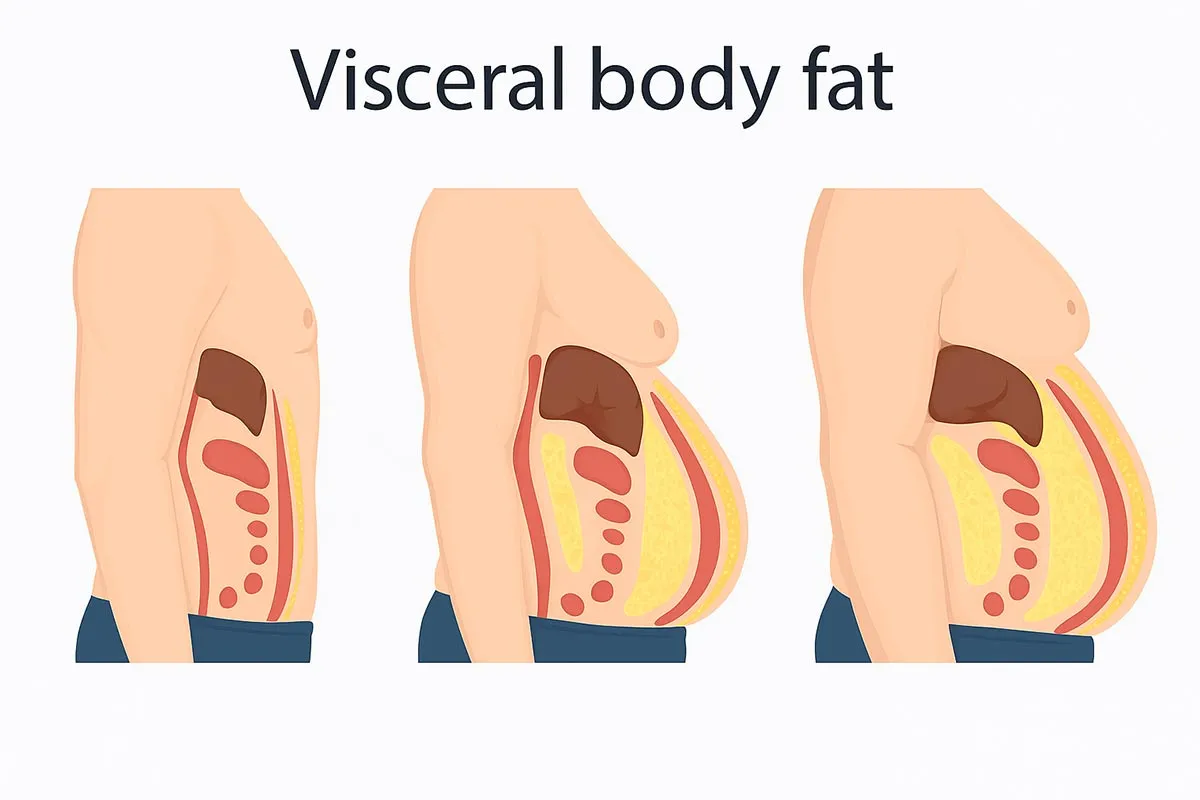
Researchers found that abdominal adipose tissue (fat) is associated with chronic pain in multiple sites and widespread chronic pain. It also found that women were at higher risk for this association than men. According to the World Health Organization, obesity means having too much body fat in a way that can harm your health. It’s often measured by calculating Body Mass Index (BMI) method. When extra fat builds up in the body, it can affect how our organs and systems work. Where this fat collects matters. Fat stored around the abdomen (belly fat) is especially risky. It has been linked to a number of health problems and can also contribute to chronic pain, especially in the back, joints, and muscles, making daily life more difficult.
So the question commonly float is can fat hurt? Actually when there is excess body fat, it not only puts extra load on your joints, but also causes excess inflammation in your body. It release pro-inflammatory cytokines in your body. In simple words, it releases a lot of bad stuff that damages your body. Fat accumulation can alter how organs and systems function, increasing the risk multi organ disease, and chronic pain. It has been noticed that even modest weight loss can lead to significant improvements in pain levels, particularly for conditions affecting weight-bearing joints like knee pain or lower back problems, creating positive momentum for continued progress. Many people think body fat is just stored energy from eating too much. But in actual fat does much more than that you can even imagine. Actually it’s an active part of the body that can affect your hormones and immune system. When there’s too much fat, especially over time, it can lead to ongoing inflammation in the body. This long-term inflammation is linked to serious health problems like diabetes, heart disease, and chronic pain.

As we know, weight gain and chronic pain are closely linked and inflammation is a major factor connecting the two. When inflammation leads to weight gain, it creates the perfect environment for pain to develop and become chronic .Chronic inflammation can cause resistance to hormones like insulin (which controls blood sugar) and leptin (which controls hunger and fullness). When these hormones stop working properly, it leads to fat storage, increased appetite, and overeating causing weight gain. Inflammation also raises cortisol, the stress hormone, which adds fat around the belly and increases cravings for sugary, high-fat foods.
A poor diet filled with processed and refined foods adds to the problem, increasing inflammation even more. All of this forms a cycle. Inflammation causes weight gain, weight gain fuels inflammation, and both contribute to pain especially in the joints, back, and muscles. Over time, this pain can become chronic, making it harder to move, exercise, and lose weight. Mental health also plays a role stress, anxiety, and depression can increase inflammation and lead to emotional eating, deepening the cycle. The good news is that reducing inflammation through healthy lifestyle changes like better sleep, balanced nutrition, physical activity, and stress management can help break this cycle, ease pain, and support weight loss.

Physical activity plays a crucial role in weight and pain management. As there is a connection between excess weight and chronic pain, as weight gain responsible for increased stress on joints and tissues. Physical therapy interventions that reduce biomechanical load have been shown to alleviate pain and improve functional mobility. Personalized exercise programs are designed for the patients with chronic pain and obesity. These exercises help them to reduce weight and strengthens the muscles around painful joints .Research indicates that addressing weight loss alongside pain management is more effective than focusing on one alone. Weight loss management can improve pain and disability, especially in osteoarthritis patients.
As pain limits the activity levels, leading to deconditioning and weight gain, so an appropriate exercise can help to reduce pain intensity and support healthy weight management. The key lies in finding activities that don’t exacerbate existing pain while still providing metabolic and anti-inflammatory benefits for addressing chronic pain and weight gain together. Successful management strategies include gentle, pain-appropriate exercise programs, anti-inflammatory dietary approaches, stress management techniques, and sometimes medication adjustments. Many patients find that even modest weight loss can lead to significant improvements in pain levels, particularly for conditions affecting weight-bearing joints like knee pain or back problems, creating positive momentum for continued progress.

Chronic pain and weight gain are associated with the food we consume. So diets which are high in sugar, refined carbs, and unhealthy fats can cause inflammation in the body, even before major weight gain occurs. This inflammation becomes the leading cause of pain, especially in joints and muscles, and make conditions like arthritis worse. Chronic pain affects about 1 in 5 adults worldwide and is expected to rise as the population grows and ages. It not only causes personal suffering but also leads to disability, lost productivity, and high healthcare costs.
Research has shown that poor diet including eating too many processed, high-calorie, low-nutrient foods can play a role in the development and persistence of chronic pain. On other hand if we are not eating enough healthy, nutrient-rich foods, it slow down healing and make pain worse. Today, nutrition is increasingly recognized as a key part of pain management. So it’s important to choose a healthier diet which can help reduce inflammation, improve overall health, and make it easier to manage chronic pain.
Yes. As weight gain cause increase stress on joints, which increase inflammation and altered biomechanics.
Gabapentin, pregabalin and corticosteroids are some common chronic pain medications that are widely known to increase weight .It is better to ask alternatives with your pain management doctor if weight gain becomes problematic.
Fat storage pattern can indirectly affect by chronic pain as it elevates cortisol level and inflammation. Due to chronic pain physical activity get reduced which ultimately in turn weight gain.
Stress increases cortisol levels in our body, which can lead to more hunger and cravings for high fat, sugar foods. Also disrupts sleep, mood, and energy levels which makes difficult to eat well or stay active. As a result pain get worse and weight gain happens.
Chronic pain and obesity, and their associated impairments, are major health concerns. Chronic pain and weight gain can make life feel overwhelming when they occur together. That’s why it’s so important to understand the connection between them. By adapting small, sustainable changes and seeking the right support, you can reduce pain, improve mobility, and regain control of your health. If you’re living with chronic pain, help is available. Visit pain treatment to explore treatment options or consultation.
The journey to feeling better starts with a single step, take that step today.