Platelet-Rich Plasma (PRP) Injections for Pain Relief

Platelet-Rich Plasma (PRP) Injections for Pain Relief

At Pain Treatment MD in Bryant, Arkansas, we provide PRP injections to help relieve pain in joints, tendons, ligaments, and the spine. PRP is a minimally invasive procedure that is considered to be very safe. This procedure promotes the natural healing mechanisms inside your body. PRP is performed by using a small sample of your own blood, which is processed into a concentrated, platelet-rich solution packed with healing growth factors. This solution, when injected into the target area, eases the pain naturally.

Dr. Sameer Jain is a double-board-certified, fellowship-trained pain physician and

Neurologist who performs PRP injections with image guidance for precision and safety.

What Is PRP?

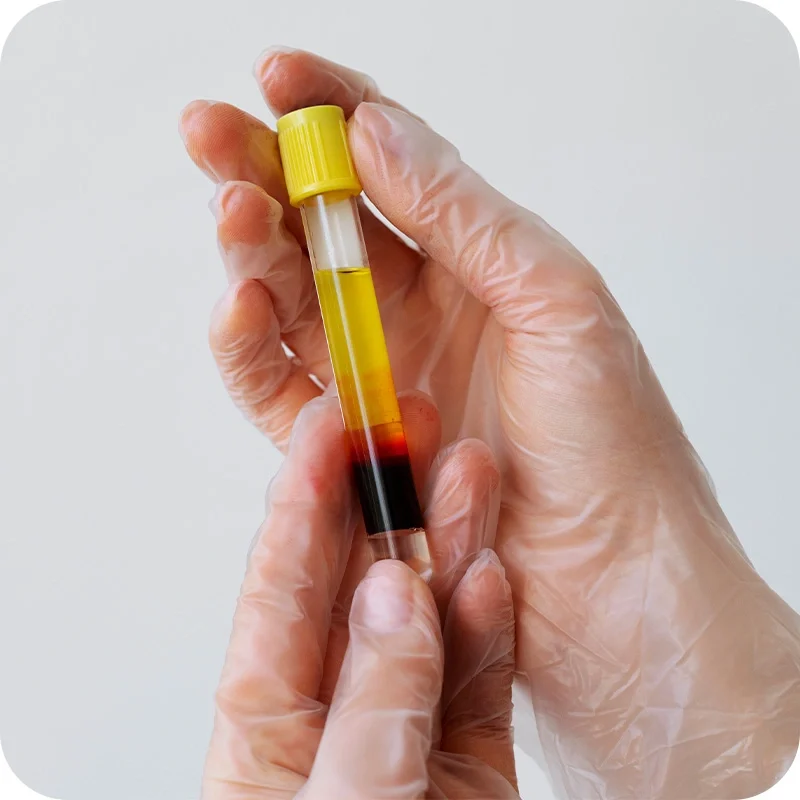
PRP stands for Platelet-Rich Plasma. Our blood is composed of three main components: red blood cells, white blood cells, and platelets floating in plasma. Platelets are part of the blood that are packed with growth factors and proteins that promote natural healing and repair injured tissues. Platelet-rich plasma is simply a blood solution that is prepared from your own blood, and it contains more platelets than normal. PRP is prepared from a small amount of blood sample taken from the patient. This blood sample is placed in a device called a centrifuge, which rapidly spins and separates out other components of the blood from platelets and concentrates it within plasma.

Conditions PRP May Help

PRP treats a wide range of musculoskeletal injuries and pain conditions. Those painful conditions where there is irritation, degeneration, or partial tearing of the tissues are also treated by PRP. The following are different conditions where PRP shows significant results and improves the condition.
Joint Pain & Arthritis
  • Knee osteoarthritis
  • Hip arthritis
  • Shoulder arthritis
  • Mild to moderate degenerative joint disease
  • Early cartilage wear and tear
Tendon & Ligament Issues
  • Tennis elbow
  • Golfer’s elbow
  • Rotator cuff tendinopathy or partial tears
  • Patellar tendonitis (often called “jumper’s knee”)
  • Achilles tendinitis
  • Plantar fasciitis
  • Chronic ligament sprains and enthesopathy
Spine & Other Pain Conditions
  • Certain types of facet-related spine pain
  • Sacroiliac (SI) joint pain
  • Chronic soft-tissue pain that hasn’t improved with rest, physical therapy, or medications
Conditions PRP May Help

Conditions PRP May Help

PRP treats a wide range of musculoskeletal injuries and pain conditions. Those painful conditions where there is irritation, degeneration, or partial tearing of the tissues are also treated by PRP. The following are different conditions where PRP shows significant results and improves the condition.

Joint Pain & Arthritis

  • Knee osteoarthritis
  • Hip arthritis
  • Shoulder arthritis
  • Mild to moderate degenerative joint disease
  • Early cartilage wear and tear

Tendon & Ligament Issues

  • Tennis elbow
  • Golfer’s elbow
  • Rotator cuff tendinopathy or partial tears
  • Patellar tendonitis (often called “jumper’s knee”)
  • Achilles tendinitis
  • Plantar fasciitis
  • Chronic ligament sprains and enthesopathy

Spine & Other Pain Conditions

  • Certain types of facet-related spine pain
  • Sacroiliac (SI) joint pain
  • Chronic soft-tissue pain that hasn’t improved with rest, physical therapy, or medications

PRP is not the same for everyone. At Pain Treatment MD, Dr. Jain evaluates your imaging, physical exam, and medical history to see whether PRP is appropriate or if another treatment would be

Better.

PRP doesn’t work the same way for everyone. That’s why at Pain Treatment MD, Dr. Jain looks closely at your scans, assesses your overall health before recommending anything. He makes sure PRP is actually the right choice for you, and if it’s not, he’ll guide you toward a better option.

Who Is a Good Candidate for PRP?

Who Is a Good Candidate for PRP?

PRP injections might be a good option for you if:

  • You are suffering from persistent pain in a joint, tendon, or ligament that hasn’t responded to rest, medication, or physical therapy.
  • You’re looking to delay or avoid surgery if possible.
  • You’ve tried steroid injections but only got short-term relief, or you’d rather not depend on them long term.
  • You don’t have serious health issues that can slow healing, like poorly controlled diabetes, active infections, or certain blood disorders.
Before moving forward, Dr. Jain will review your medical history and medications to make sure PRP is a safe and appropriate option for you.

How PRP Injections Are Performed?

At our clinic, Pain Treatment MD, PRP injections are performed in a controlled and sterile setting. We also use advanced imaging, like ultrasound or X-ray fluoroscopy, to locate the injection site. The following are the steps of the PRP procedure.

Step 1: Consultation and Planning

This step involves a detail assessment of your health, which includes a detailed medical history, physical examination, and review of any imaging (such as X-rays, MRI, or ultrasound). After a detail assessment, all available treatment options, expected benefits, and realistic outcomes are shared with the patient.  This step determine whether PRP is the right choice for your specific condition.

Step 2: Blood Draw

After assessment, a blood sample (usually between 15 to 60 mL) is drawn from your arm, just like a routine blood test. This drawn sample is then taken for the preparation of PRP solution.

How PRP Injections Are Performed?

How PRP Injections Are Performed?

At our clinic, Pain Treatment MD, PRP injections are performed in a controlled and sterile setting. We also use advanced imaging, like ultrasound or X-ray fluoroscopy, to locate the injection site.

The following are the steps of the PRP procedure.

Step 1: Consultation and Planning

This step involves a detail assessment of your health, which includes a detailed medical history, physical examination, and review of any imaging (such as X-rays, MRI, or ultrasound). After a detail assessment, all available treatment options, expected benefits, and realistic outcomes are shared with the patient.  This step determine whether PRP is the right choice for your specific condition.

Step 2: Blood Draw

After assessment, a blood sample (usually between 15 to 60 mL) is drawn from your arm, just like a routine blood test. This drawn sample is then taken for the preparation of PRP solution.

Step 3: PRP Preparation

In this step, PRP solution is prepared by placing blood sample into a specialized centrifuge that spins at high speed. This process separates the blood into layers and allows us to isolate and concentrate the platelet-rich portion. Finally, the PRP solution, which is filled with platelets and growth factors, is then collected in a sterile syringe.

Step 4: Targeting the Painful Area

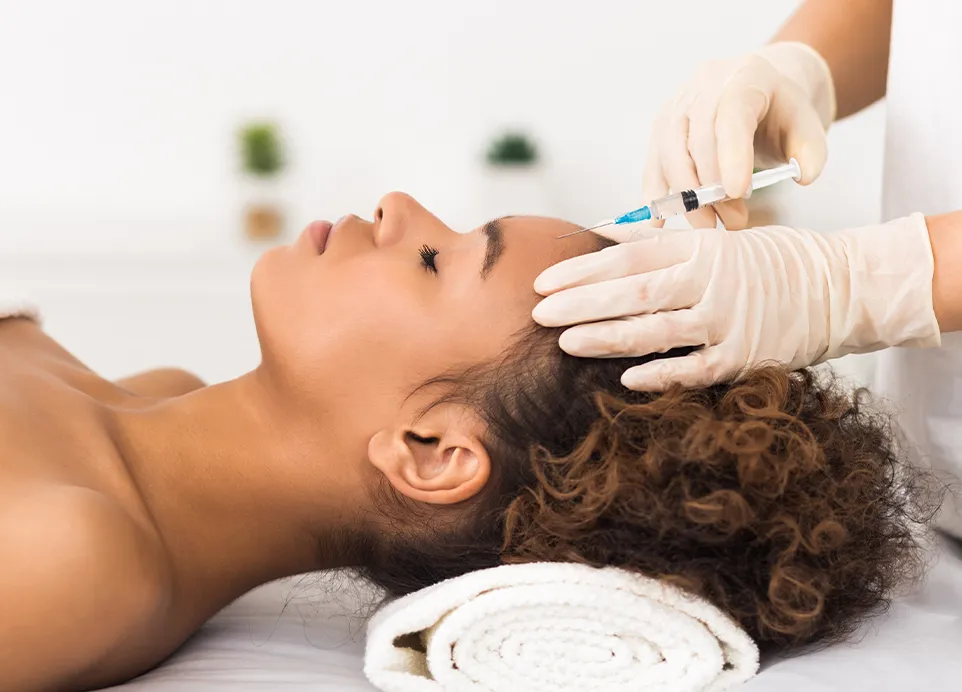
Now, the skin over the treatment area is thoroughly cleaned and numbed for comfort. Using ultrasound or fluoroscopic (X-ray) guidance, Dr. Jain accurately positions the needle into the exact injured or degenerated tissue. The PRP is then carefully injected. You may feel mild pressure or slight discomfort, but most patients tolerate the procedure very well.

Step 5: Recovery and Observation

In the last step, post-procedure monitoring of the patient’s health takes place before leaving for home. Post-procedure instructions are being shared with the patient, which include medication and follow-up visits.

What to Expect After PRP

Short-Term Recovery (First 1–2 Weeks):

For smooth recovery, your healthcare provider may ask you to avoid strenuous activities for at least one to two weeks. We also generally recommend staying away from anti-inflammatory medications like ibuprofen or naproxen before and after your PRP session, as they can interfere with the healing process. If you need relief, ice or acetaminophen (Tylenol) can be prescribed.

Longer-Term Improvement:

PRP works by promoting healing, so it doesn’t offer instant numbing like steroid or anesthetic injections. Most patients start noticing improvement within 4–6 weeks, with continued progress over the next 3–6 months as the tissue repairs and strengthens. Some conditions may need more than one treatment, typically 1–3 PRP sessions spaced a few weeks apart, depending on how severe the issue is and how your body responds.

Right after the Injection:

In the initial days, just right after your treatment, you may feel mild soreness, stiffness, or a “full” sensation in the treated area. This feeling is even considered normal. Some people even notice a temporary increase in pain; this is your body’s healing response kicking in.

Benefits of PRP Therapy

Benefits of PRP Therapy

For those who are looking for a more natural way of healing, PRP is the best option. This procedure has several benefits:

  • As the PRP solution is made from your own blood, the risk of adverse reactions is very low.
  • Instead of just reducing the pain, it helps support your body’s own healing process.
  • Many patients experience reduced pain and improved function in joints and tendons.
  • In some cases, PRP may delay surgery or even prevent the need for surgery.
  • Another best part is that it’s an outpatient procedure, and you can go home the same day.

Every person heals differently, and while results can’t be guaranteed. Many patients experience noticeable relief and better movement after PRP.

Risks and Side Effects

PRP is considered to be a safe procedure, especially when it is performed by an experienced Pain management Specialist. Still, all medical procedures carry some potential risks, including:

  • Temporary soreness, swelling, or increased pain
  • Bruising or mild bleeding at the injection site
  • Infection (rare)
  • Injury to nearby structures such as nerves or blood vessels (very rare and minimized with imaging guidance)
  • No improvement or only partial relief

At our clinic, Pain Treatment MD, our pain management specialist, Dr. Jain, shares all information regarding the procedure in detail.

How to Prepare for Your PRP Appointment

How to Prepare for Your PRP Appointment

Before your PRP session, our team provides personalized instructions to help ensure the best results. These may include:

  • Avoiding certain blood-thinning or anti-inflammatory medications for a period before your procedure (always check with your prescribing doctor first).
  • Staying well hydrated the day before and the day of your appointment.
  • Arriving a little early to complete check-in and consent forms.
  • Make sure you have someone to drive you home if you’re getting sedation.
  • Be sure to inform us if you have a history of bleeding disorders, recent infections, if you are pregnant or nursing, or if you’ve started any new medications.

How to Prepare for Your PRP Appointment

Before your PRP session, our team provides personalized instructions to help ensure the best results. These may include:

  • Avoiding certain blood-thinning or anti-inflammatory medications for a period before your procedure (always check with your prescribing doctor first).
  • Staying well hydrated the day before and the day of your appointment.
  • Arriving a little early to complete check-in and consent forms.
  • Make sure you have someone to drive you home if you’re getting sedation.
  • Be sure to inform us if you have a history of bleeding disorders, recent infections, if you are pregnant or nursing, or if you’ve started any new medications.
How to Prepare for Your PRP Appointment

Frequently Asked Questions

Most patients feel just a quick pinch when we draw their blood and a bit of pressure during the injection. Local anesthetics are being used to minimize discomfort. You may experience mild soreness afterwards, which you will manage easily.

For PRP, Insurance coverage can vary and is often limited. But you don’t need to worry about it. Our team is here to help you understand the costs and go over any insurance or self-pay options before your PRP appointment.

Plan for about 60–90 minutes.  This time period includes check-in, blood draw, PRP preparation, the injection itself, and a short observation period afterward.

Initial improvement is seen within a few weeks after PRP. But the full benefits of PRP usually develop gradually over a few months as your tissue heals.

Yes, it can! PRP often works even better when paired with treatments like physical therapy, exercise, weight management, and other pain-relief approaches.

PRP promotes long-term tissue repair by natural healing. In contrast, steroid injections provide prompt but short-term relief. Steroids don’t repair tissue and can’t be repeated frequently. PRP may be used when steroids are no longer effective or to limit steroid use.

This depends upon the symptoms and severity of your condition. Your overall health assessment also plays an important role in deciding the number of PRP sessions. Some patients feel good just with one injection, while others may require 2- 3 sessions spaced a few weeks apart. At our clinic, Dr. Jain creates a personalized plan based on your response to the first treatment.

If you’re dealing with joint, tendon, or chronic musculoskeletal pain and want to learn if PRP injections could help, we’re here for you.

Pain Treatment MD – Bryant, Arkansas Phone: 501-553-0000

Website: www.PainTreatmentMD.com

Personalized Pain Relief Plans

We make customized treatment plans according to your individual needs to target what works best for you.

Holistic Pain Management

We believe in holistic pain management, incorporating medicine, lifestyle changes and advanced treatments to manage pain.

Pain-Free Life

Our goal is to listen and understand your pain and achieve your health goals for you to regain control over your life.