

Being pregnant is a great experience, which comes with a lot of changes in the body. Most expectant mothers experience back pain during this journey. During pregnancy, your body is carrying an extra weight, which causes a lot of stretching in the back and abdominal muscles. Approximately 70% of pregnant women experience some form of back pain. For some females, this discomfort might be mild, while for others, it can feel like a real thorn in their side, especially when trying to manage daily chores. It’s important to be aware of the factors that cause back pain. Some of the pregnant females experience stiffness in the lower part of their back, and some complain that their shoulders are tight and sore. In this blog, we will discuss back pain during pregnancy, its causes, tips to relieve it, and ways to prevent it.
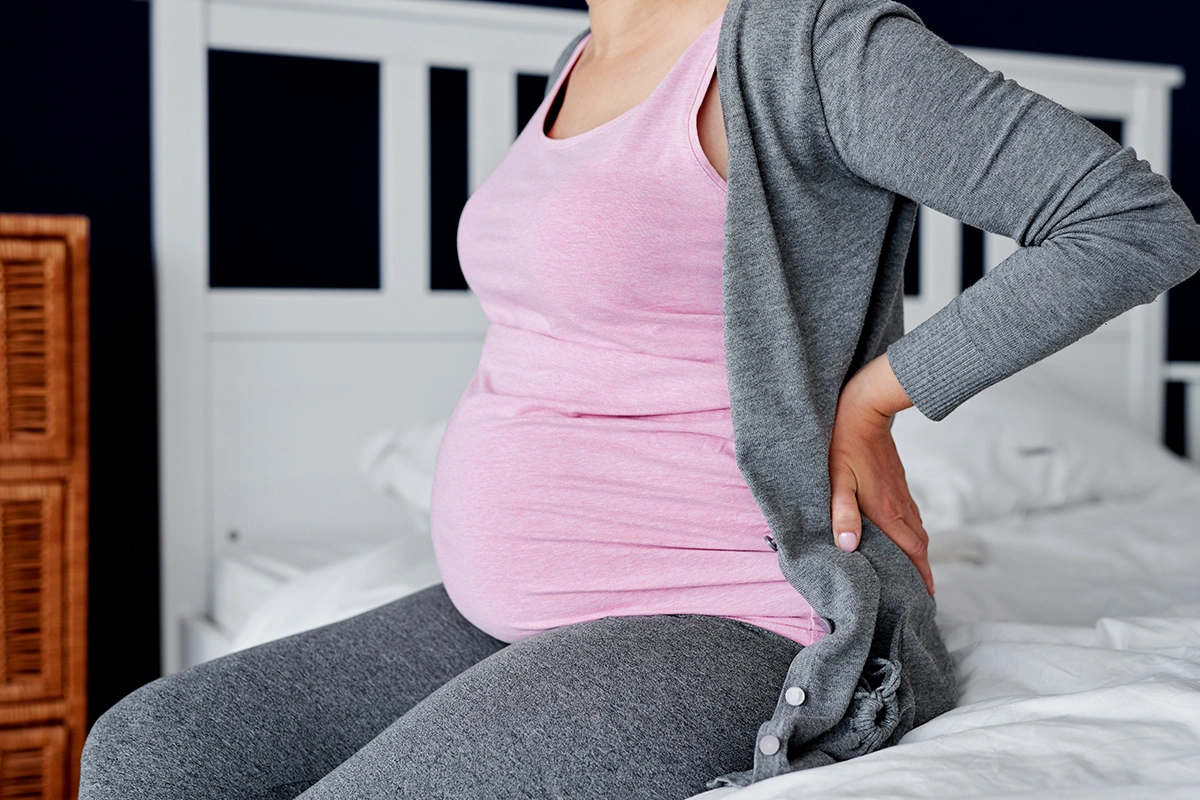
The body changes that come with nine months of pregnancy are remarkable. On average, women gain between twenty-five and thirty-five pounds, and this added weight shifts the center of gravity forward. This shift increases the curve in the lower back, placing extra pressure on the spine, muscles, and joints. These muscles work continuously to keep you upright and balanced, which can lead to stiffness, soreness, and fatigue as the day goes on.
Another major cause of back pain during pregnancy is hormonal changes. During pregnancy, the body produces higher levels of relaxin, a hormone that loosens the ligaments in the pelvis to prepare the body for childbirth. While its main effect is on the pelvis, relaxin can also slightly affect other joints, reducing some spinal support. As a result, the back muscles have to work harder to stabilize the body, which can translate into tension and pain, particularly later in the day or at night.

A number of factors combine to cause pregnancy back pain. The most significant cause is weight gain. Every added pound increases the workload on your muscles, and the location of this extra weight matters too. As your baby bump grows, your abdominal muscles stretch and weaken, reducing their ability to support your spine. This forces your back muscles to compensate, often leading to fatigue and discomfort. Another important cause is being in an uncomfortable position in bed at night, as such positions can make things even worse by morning. These factors explain why back pain feels so different during pregnancy compared to when you’re not pregnant.
Morning back pain is one of the problems attributed to sleep problems. Lots of pregnant women toss and turn in bed in the hope of seeking comfort. It is impossible to lie on your stomach as your belly is growing. The back position places the strain on blood vessels and should not be used. Side sleeping is considered the best option, but even this position can lead to hip and back pain if your body isn’t properly supported with pillows. Poor sleep leads to tired, overworked muscles, which aren’t as effective at supporting your back the next day.
During pregnancy, lower back pain typically occurs in the lumbar region, area above hips. This region is often the most painful because it bears much of the body’s extra weight. The ache may be constant throughout the day. At the same time, some women experience sharp pains that radiate down their legs. Flexion, picking up, or even standing increases the intensity of the pain. For many, discomfort is worse in the evening after a full day of activity. Pregnancy-related Low back pain typically starts at months four or five when your bump is actually noticeable. It can make finding a comfortable sleeping position difficult, and sudden pains may even occur while lying in bed. Sometimes, the pain extends to the legs or buttocks due to strain on nearby nerves. Although it can be very uncomfortable, lower back pain during pregnancy rarely signals a serious problem. In most cases, gentle movement and home remedies provide effective relief.
The upper back pain during pregnancy is experienced in the part between your neck and your shoulders. This pain does not begin due to the same reasons as lower back pain. As your breasts grow during pregnancy, the extra weight pulls your shoulders forward, causing the upper back muscles to work harder. This often leads to tight, sore muscles and rounded shoulders. These muscles remain tense for long periods, which can make the area very uncomfortable. Usually pregnant females complain about Stiffness in the neck which leads to upper back pain. The stresses and worries of pregnancy can also contribute to muscle tightness in the upper back. The sensation may feel burning, sore, or simply tight. Gentle stretching and normal movement often provide relief. Unlike lower back pain, which tends to increase as pregnancy progresses, upper back pain often remains more constant throughout pregnancy.
Pregnancy lower back pain third trimester becomes quite intense for the majority of moms. Lower back pain in the third trimester becomes quite intense for many mothers. These last few months are when your baby gains most of its weight. By months seven, eight, and nine, the baby alone weighs about six to nine pounds. Add the amniotic fluid, placenta, and increased blood volume, and you’re carrying twenty-five to thirty pounds of extra weight in your midsection. This puts significant strain on your lower back. The third trimester brings a different kind of lower back pain. As your body prepares for birth, the baby moves down into your pelvis. This shifts your posture and increases pressure on the back and pelvic nerves. Some women feel sharp, shooting pains that run down the legs. Walking may feel awkward. Even simple tasks like standing up from a chair or getting out of bed can become physically challenging. Sleep also becomes difficult because no position feels comfortable for long. Many moms feel better knowing that delivery will end their back pain soon. Some mothers keep hurting after the baby arrives, called postpartum back pain. That situation needs different care and treatment.

Back pain may be treated during pregnancy, starting with home-based measures. Heat helps aching muscles. Apply a warm cloth or heating pad to the area of pain for fifteen minutes. Heat is also useful in delivering more blood to the area and loosening tight places. Never sleep with heat, and do not use something very hot. Cold will also assist in swelling and deadening pain. Cover the ice with a towel and apply ice to tender parts for ten minutes. Massage during pregnancy is very relieving to a pregnant mother. Locate a prenatal massage-trained person with knowledge of safe techniques. Massage relaxes tight muscles and improves the circulation of the blood. It is also used in the treatment of stress, which causes tightening of muscles.
Acupuncture is safe during pregnancy, and it works for some women. Do not begin any new treatment without permission from your doctor. Belly support belts evenly redistribute weight. The belt supports your bump, and the lower back is relieved. The correct sitting and standing throughout the day prevents pain before it occurs. Keep your back straight and your shoulders relaxed. Try to lengthen your spine and stand tall without locking your knees. If you follow the proper body mechanics throughout the day you will feel a big difference in your back pain.


You can prevent pregnancy-related lower back pain by taking a few safety steps. You just need to pay attention to your movements throughout the day. When you need to pick up something from floor, firstly bend your knees, not your waist. Hold items close to your body as you stand up. Never twist while lifting anything. Get assistance with heavy objects. Sleep on your side. Place a pillow squeezed between your knees. This will keep your backbone straight, and the pressure will be taken off your lower back.Consult your doctor on what weight gain is appropriate for you. The physical activity throughout the 9 months maintains the muscles strong and flexible. Tough muscles support your backbone more and prevent the occurrence of pain.
Yes, pregnancy hormones, especially relaxin and progesterone, may cause back pain. Relaxin softens ligaments and loosens joints of your pelvis for the preparation of childbirth. Progesterone relaxes muscles, which can also contribute to discomfort. These hormonal changes, combined with weight gain, make back pain more likely.
Yes, for back pain exercises are always helpful same in case of pregnancy. There are some exercises which are considered to be safe for pregnancy. Exercises help by strengthen and stretching the muscles that support your back and legs. Before doing any exercises, consult your healthcare provider as they will guide you about safe exercises for pregnancy.
It’s recommended to wear low-heeled shoes but not very flat. Also shoes should have with good arch support. Try to avoid high heels as they tilt your body forward and put strain on your lower back muscles.
It’s not very comfortable to lie flat on your back for extended periods, especially in your second and third trimester. Lying flat can compress major blood vessels. However, using pillows to elevate your upper body or tilt your body slightly to one side is generally safe. A pillow under one hip or behind your back helps prevent lying completely flat. If you wake up on your back, turn to your side again.