

Life Expectancy After Compression Fracture

Feel Better After a Compression Fracture – Simple Treatments to Help You Recover

Estimated reading time: 7 minutes

A compression fracture in the spine is a serious injury that can affect your daily life, particularly if you are older or suffer from bone-weakening conditions like osteoporosis. Understanding life expectancy after compression fracture is important for both recovery and managing long-term health. These fractures can significantly alter mobility and cause ongoing pain, but with the right medical interventions, patients can improve their quality of life. For elderly individuals, life expectancy after compression fracture in elderly may be impacted by other health conditions, but treatments are available to aid in healing.
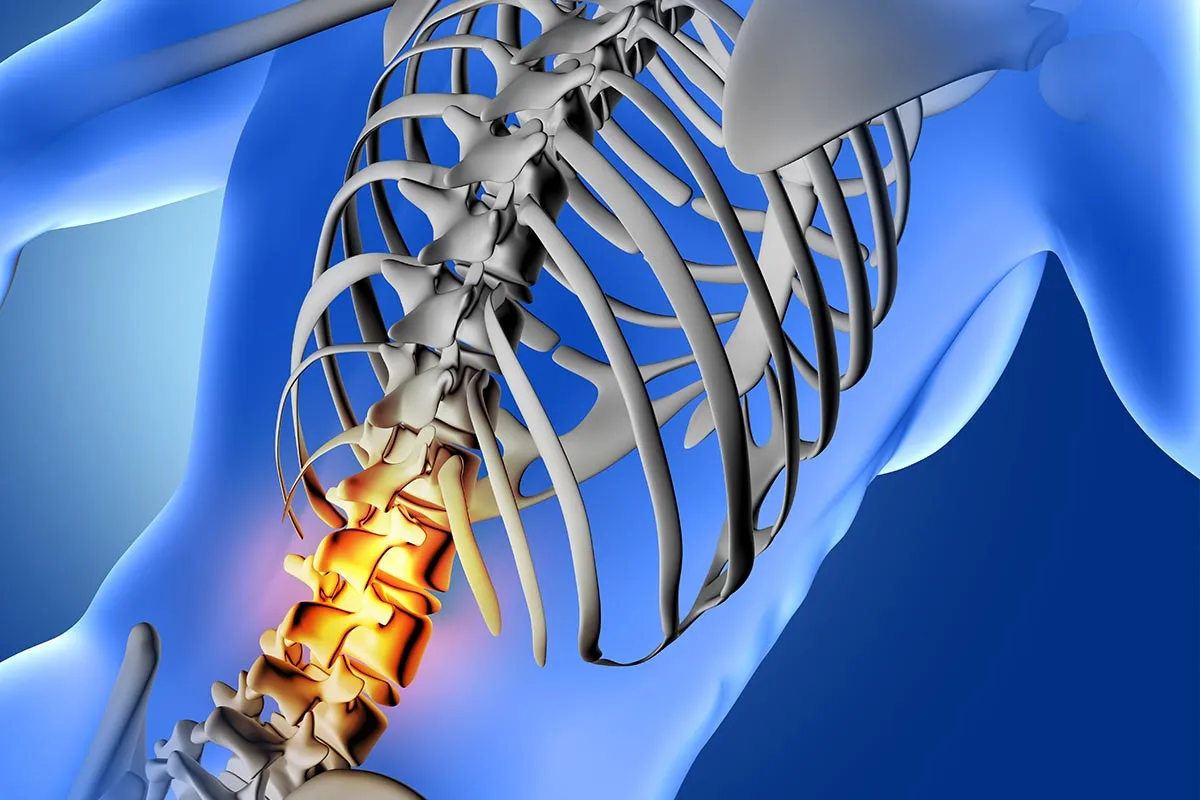
Table of Contents

understanding compression fracture

Understanding Compression Fractures

A compression fracture occurs when a vertebra in the spine collapses due to pressure, commonly caused by osteoporosis. These fractures can be very painful and lead to a loss of height, stooped posture, and difficulty moving. Life expectancy after compression fracture depends on factors such as the severity of the fracture, the person’s overall health, and the promptness of treatment. Elderly individuals, in particular, may face complications that could impact their life expectancy after compression fracture in elderly, but with appropriate care, many can recover fully.

what causes spine compression fractures

What Causes Spine Compression Fractures?

Several factors contribute to the development of spinal compression fractures, most notably osteoporosis. These fractures can occur when the vertebrae become weak and brittle. The primary causes of spinal compression fractures include:

  • Osteoporosis
    This is the leading cause of compression fractures. When bones become weak, they are more prone to collapsing under pressure.
  • Trauma or Injury
    Accidents, falls, or even minor incidents can lead to fractures, especially in individuals with weakened bones.
  • Cancer
    Certain cancers like multiple myeloma or metastatic cancer can cause bones to become fragile and more susceptible to fractures.
  • Genetics
    Some people may inherit a predisposition to weak bones, making them more likely to experience compression fractures.
  • Excessive Strain
    Lifting heavy objects or putting excessive stress on the spine can also cause vertebrae to fracture.

Recognizing these causes is important for preventing further spinal compression fractures and managing life expectancy after compression fracture effectively.

can spine compression fractures be life threatening

Can Spine Compression Fractures Be Life-Threatening?

A compression fracture itself is rarely life-threatening. However, it can lead to severe complications, especially in the elderly. When untreated, a compression fracture can lead to nerve damage, spinal cord injury, or severe pain, all of which can affect life expectancy after compression fracture. Additionally, the loss of mobility can increase the risk of pneumonia or blood clots, particularly for elderly patients. Therefore, early intervention is crucial to prevent these life-threatening complications.

how to diagnose spinal compression fractures

How to Diagnose Spinal Compression Fractures

Diagnosis of spinal compression fractures begins with a physical examination. If a compression fracture is suspected, imaging tests are often used to confirm the diagnosis. Common diagnostic tools include:

  1. X-rays
    X-rays are typically the first line of diagnosis and can reveal whether a vertebra is fractured and the extent of the damage.
  2. MRI
    MRI scans provide detailed images of both bones and soft tissues, allowing doctors to check for nerve compression and other complications.
  3. CT Scan
    A CT scan provides a 3D view of the spine, offering a more detailed look at fractures that may not be visible on standard X-rays.
  4. Bone Density Tests
    A bone density test helps assess the strength of the bones and determine the risk of further fractures, especially in individuals with osteoporosis.

A timely diagnosis can improve the chances of a full recovery, leading to a better life expectancy after compression fracture.

can spine compression fractures be repaired

Can Spine Compression Fractures Be Repaired?

Yes, many spinal compression fractures can be repaired or treated effectively. Treatment options vary depending on the severity of the fracture and the patient’s overall health. Some treatments include:

  1. Kyphoplasty
    Kyphoplasty is a minimally invasive procedure where a balloon is inserted into the fractured vertebra to restore height, followed by the injection of bone cement to stabilize the fracture. This procedure can help alleviate pain and prevent further complications.
  2. Vertebroplasty
    Similar to kyphoplasty, vertebroplasty involves the injection of bone cement into the fractured vertebra, but it does not involve the balloon procedure.
  3. Spinal Fusion Surgery
    In severe cases where multiple vertebrae are damaged, spinal fusion surgery may be necessary to stabilize the spine.
  4. Pain Management
    Managing pain through medications, including NSAIDs or stronger prescription drugs, can help alleviate discomfort during the healing process.
  5. Back Bracing
    A back brace can provide additional support to the spine, reducing movement and allowing the fractured vertebra to heal.
treatment options for compression fractures

Treatment Options for Compression Fractures

There are various treatments available for managing spinal compression fractures. These include both non-invasive and invasive options. Some of the most common treatment options include:

  1. Kyphoplasty
    Kyphoplasty is a popular treatment for spinal compression fractures that helps restore the vertebral height and stabilize the fracture using bone cement.
  2. Vertebroplasty
    Vertebroplasty stabilizes the fractured vertebra using bone cement without the balloon inflation, providing quick pain relief and stabilization.
  3. Spinal Surgery
    In cases of severe compression fractures, spinal surgery like spinal fusion may be necessary to prevent further collapse and ensure long-term stability.
  4. Disc Regenerative Therapy
    Disc regenerative therapy is a modern treatment that helps regenerate damaged spinal discs and tissues. This approach can improve the structural integrity of the spine, aiding in recovery from compression fractures.
  5. Pain Management
    Effective pain management is critical to prevent discomfort during the healing process. Over-the-counter medications like acetaminophen or NSAIDs, as well as stronger prescription medications, are commonly used.

By using a combination of these treatments, individuals can experience a full recovery and improve life expectancy after compression fracture.

how to improve quality of life after a compression fracture

How to Improve Quality of Life After a Compression Fracture?

Living with a compression fracture can be challenging, but there are ways to improve quality of life after recovery. Here are a few ways to enhance well-being:

  1. Engage in Low-Impact Exercise
    Activities like walking, swimming, or gentle stretching can help improve mobility, reduce pain, and strengthen the muscles surrounding the spine.
  2. Maintain Proper Nutrition
    A diet rich in calcium and vitamin D is essential for bone health. These nutrients help prevent future fractures and aid in the healing process.
  3. Use Back Pain Treatments
    Back pain treatments such as physical therapy or chiropractic care can alleviate pain and improve mobility, making daily tasks easier.
  4. Practice Good Posture
    Maintaining good posture is crucial for avoiding further strain on the spine. This can be done with ergonomic furniture and by avoiding activities that involve heavy lifting or twisting.
  5. Rest and Rehabilitation
    Adequate rest, combined with physical therapy, can speed up recovery. Following a tailored rehabilitation program ensures proper healing of the vertebrae and strengthens the surrounding muscles.

Implementing these lifestyle changes can improve life expectancy after compression fracture and enhance overall quality of life.

Frequently Asked Questions

Though rare, complications from a compression fracture, such as nerve compression or organ damage, can be life-threatening. However, with prompt treatment, most individuals recover without severe complications, and death from a broken back is extremely uncommon.

Life expectancy after compression fracture depends on several factors, including the severity of the fracture, overall health, and treatment options. With proper care, most individuals can lead normal lives, though older adults may face complications that could affect their long-term health.

Symptoms of a compression fracture include sudden back pain, height loss, or a hunched posture. If these symptoms are present, it is essential to seek medical advice to confirm the diagnosis and begin treatment early.

Get in Touch with Pain Treatment Specialist to Help You Recover From Compression Fracture

If you have sustained a compression fracture, consulting a specialist can significantly improve your recovery process. Pain management options like back pain treatments, including physical therapy and disc regenerative therapy, can promote healing and enhance quality of life. To explore your options and start your journey toward recovery, get in touch with a pain treatment specialist at Pain Treatment MD today.