

Knee arthritis is a condition that affects millions of people worldwide, causing pain, stiffness, and loss of mobility. It’s mainly connected to joint pain, specifically in the knees. However, many people with knee arthritis also feel pain in the calf muscles. Can knee arthritis cause calf pain? The answer is yes. Knee arthritis induces knee joint inflammation, which is usually accompanied by change in walking, standing, or moving. This causes an influence on the nearby muscles, including the calves.
If you are suffering from the condition of knee arthritis and calf pain, the pain and inflammation in the joint can alter the way you move and walk. The question yet again is can knee arthritis cause calf pain? Yes, if the muscles near the knee become weak because of arthritis, other muscles, including the calf muscles, can suffer too. This happens because they have to work harder to compensate for the weakness. This can result in pain in the calf. Therefore, it’s very important for people with knee arthritis to get proper treatment in order to avoid causing their calf muscles additional stress.

Can knee arthritis pain radiate down the leg? Yes, pain in the knee and calf are linked, specifically in people with knee arthritis. The knee joint’s pain, rigidity, and limited ability to move can be attributed to knee arthritis. With knee pain, your walk patterns usually change, leading to more weight and pressure on the calf muscles. This can cause the calf muscles to undergo more strain than normal, which in turn can lead to fatigue and pain.
Nerve compression or irritation can result in pain from the knee to the calf. The nerves that affect the knee joint and surround the lower leg are connected to the knee, so the radiating pain from the knee can also be felt in the calf. Many people suffering from knee arthritis experience this because of the inflammation around the knee can damage the nerves or disrupt their function, resulting in calf pain.

People often wonder “Can knee arthritis cause calf tightness?” Knee arthritis can be detrimental to the muscles located around the knee, one of which is the calf muscle. With time, if the condition of arthritis gets severe, individuals might start suffering from muscle weakness in the affected leg. The knee pain can stop you from moving the leg normally, resulting in the calf muscles getting weaker. Additionally, joint inflammation and swelling in the knee may inhibit joint movement, which in turn will directly affect the nearby muscles.
An issue that can arise due to knee arthritis is the change in movement patterns that create muscle imbalances. Pain in the knee may cause weight to shift unconsciously in order to make the pain go away. This leads to some muscles being overworked while others are underused. Overworked muscles become too tight, which is what causes the pain. The calf may become stiff, tense, or even sore, which in turn results in trouble walking or climbing stairs.

Knee arthritis often develops gradually, with your symptoms worsening over time. It’s important to identify and manage it early to avoid more damage and relieve the pain. Here, we have also listed a few of the most common signs of knee arthritis that can tell you it is time to see a healthcare provider:
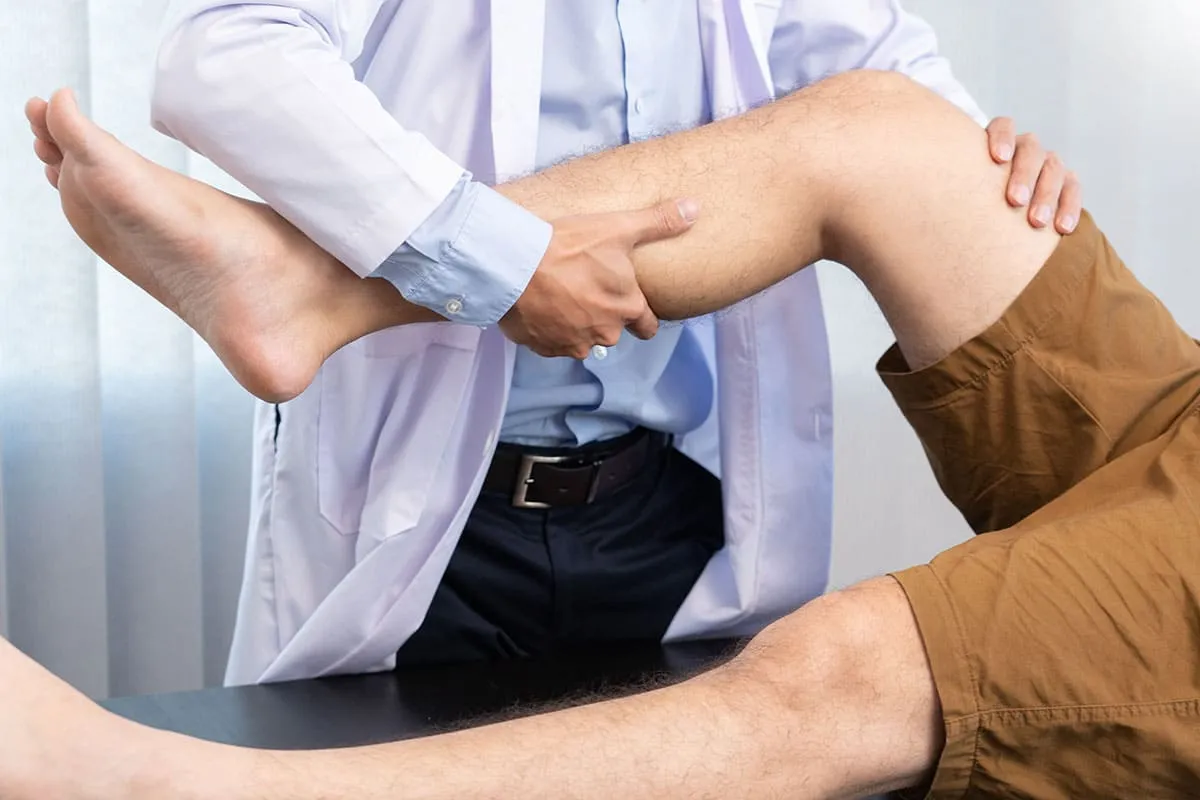
Calf pain can be caused by numerous factors, and knee arthritis is just one of the possible ones. People generally ask can knee pain cause calf pain? The answer is yes. However, do keep in mind that knee pain and calf pain are instigated by muscle strains, overuse of the muscles, or other conditions of the lower leg. Some of the major factors that lead to calf pain:

Joint pain, swelling, and stiffness are the most prominent symptoms of knee arthritis. You will feel difficulty in moving or walking with knee arthritis, and sometimes may also hear a cracking sound. Pain can be most severe when you are involved in physical activities or when it is cold outside. If you identify the earliest signs of knee arthritis, the timely treatment and management is possible.
Persistent pain or discomfort in the knee joint is a common sign of arthritis and it should not be ignored. In addition, there are even some other symptoms like having a limited range of motion and having a very painful knee. You should see a doctor for a correct diagnosis to know whether arthritis is the problem, so that you can get it treated on time.

Knee arthritis can be managed with different treatments like medication and physical therapy. These treatments help reduce pain and improve movement. Your doctor will recommend the best plan based on your conditions and needs.
The use of acetaminophen or nonsteroidal anti-inflammatory drugs (NSAIDs) help with managing the pain and inflammation by knee arthritis. Corticosteroid injections could also be used in severe cases, especially to achieve temporary relief and reduction in inflammation.
Physical therapy is mainly focused on strengthening your muscles around the knee which in turn helps you to be able to move better, improve your joint function and lower down the pain. A physical therapist will take you through exercises that will allow you to ease up and control your body.
Weight management and the exercise are the two main factors that need to be considered in the treatment of knee arthritis. Staying healthy helps reduce pressure on one side of the knee. Activities like swimming or biking can strengthen the joint without putting stress on it.
If everything else fails to treat your knee arthritis, the solution would be to consider surgery such as knee arthroscopy or knee replacement surgery. This method is fairly invasive, thus is often prescribed in such a situation when previous treatments and pain relief turned out to be unsuccessful.

To avoid knee arthritis, one is supposed to follow a normal and healthy life and use the right measures to protect the joints. Exercising consistently works greatly to prevent knee arthritis.
Avoid activities like high-impact sports that require the knees to endure a great amount of stress. Another important thing one should do is to keep a healthy weight as it relieves the pressure on the knee and thus the chances of arthritis decrease.
Knee pain can lead to change in the walking patterns, which in turn can stress the calf muscles. This is especially common if you’re subconsciously favoring one leg or limping. The calf muscles may become overworked as they compensate for the discomfort in the knee joint.
To relieve knee pain and calf pain, consider stretching and strengthening exercises. Consulting a healthcare professional will ensure you receive a personalized treatment plan for relief.
Yes, knee arthritis can cause pain that radiates throughout the leg. As the knee joint damages, it can affect the surrounding muscles, ligaments, and even the lower back. This can lead to discomfort in the entire leg due to altered walk and muscle strain.